When you want more living space, two popular options stand out: a loft conversion or a home extension. Both can add space and value to your property, but the right choice depends on your home, budget, lifestyle, and long-term goals. In this blog, we compare the pros, cons, and costs of each — so you can make an informed decision for your home in 2025.
What’s the Difference?
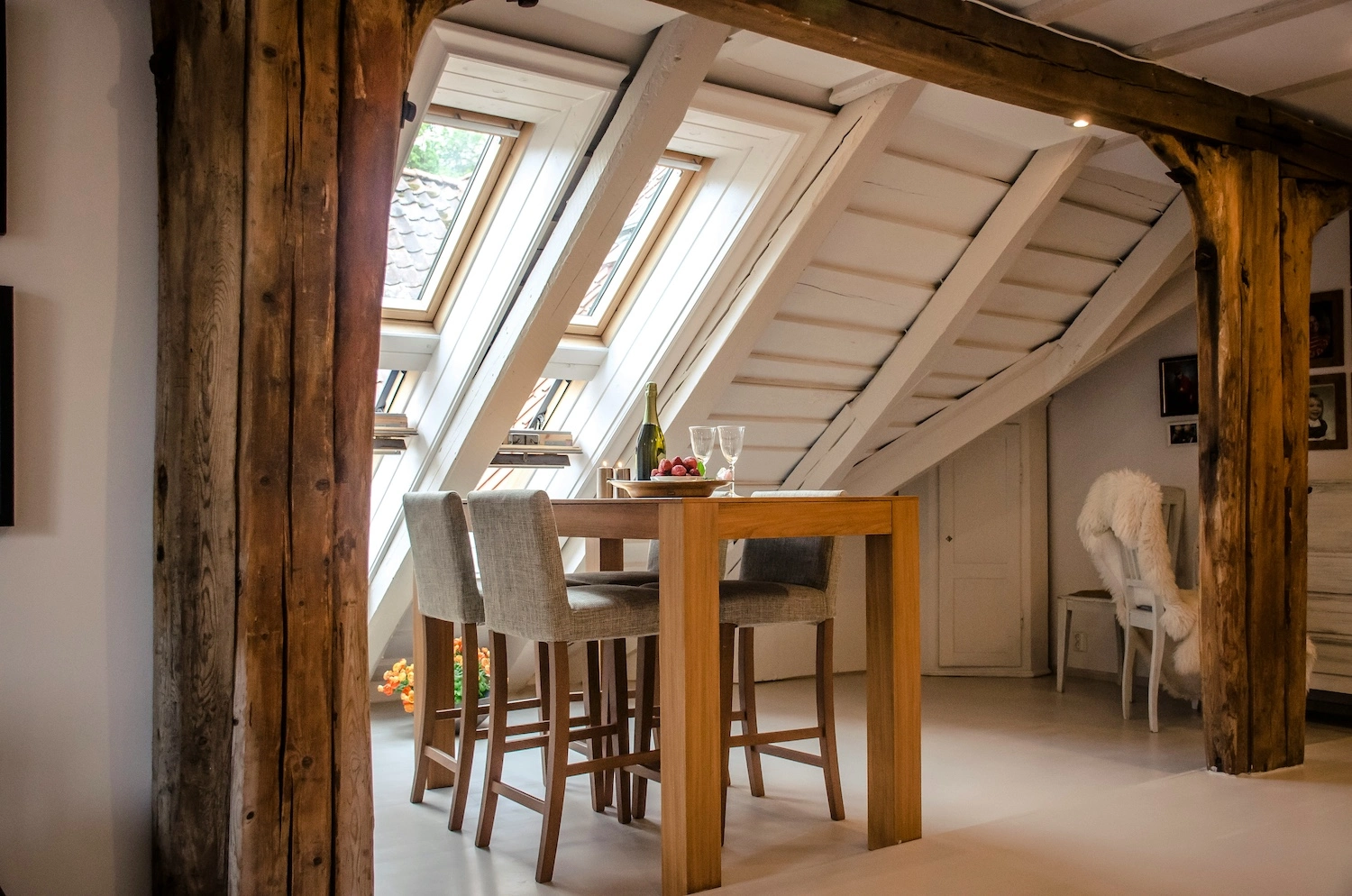
Loft Conversion: Converts unused roof space into a livable area. Most commonly used for bedrooms, home offices, or bathrooms.
Extension: Builds outward from your existing home, either at the rear, side, or over the garage.
Cost Comparison (2025 Estimates)
| Type | Typical Cost Range | Cost per m² | Planning Permission? |
| Loft Conversion | £30,000 – £60,000+ | £1,250 – £2,000 | Usually not (PD) |
| Single Storey Extension | £40,000 – £100,000+ | £2,000 – £3,500 | Often required |
| Double Storey Extension | £65,000 – £140,000+ | £1,800 – £3,000 | Usually required |
Check guidance: https://www.planningportal.co.uk/permission/common-projects
Loft Conversion: Pros and Cons
✅ Pros:
- Cheaper than an extension
- Uses existing footprint
- Faster build time
- Adds bedroom/office
- Often no planning needed
❌ Cons:
- Not all roofs suitable
- Less layout flexibility
- May need structural reinforcement
- Reduces storage
- Needs proper stair/fire compliance
Extension: Pros and Cons
✅ Pros:
- Custom layouts
- Great for kitchens/living areas
- More window/door options
- Adds usable space at ground level
❌ Cons:
- More expensive
- Longer build time
- Potential garden loss
- More planning required
- Greater disruption
Which Adds More Value?
- Loft conversions can add up to 20% to property value
- Extensions can add 15–25% depending on design and finish
Speak to a local estate agent for tailored advice in your area.
When to Choose Each
| Choose Loft If… | Choose Extension If… |
| Budget is limited | You need open-plan living |
| You want a new bedroom or office | You want to reconfigure downstairs layout |
| You don’t want to lose garden space | Loft is already in use or unsuitable |
| You want a faster, less invasive option | You need flexibility in design |
Other Considerations
- Always check planning rules with your local authority
- Both options require compliance with Building Regulations
- A Party Wall Agreement may be needed for loft dormers or side extensions
In Summary: Both can add substantial value to your home
A loft conversion is typically faster and more cost-effective, ideal for adding bedrooms or home offices. A house extension offers greater flexibility, perfect for creating large open-plan spaces. Both can add substantial value to your home, so the best choice depends on your specific needs, budget, and long-term plans.